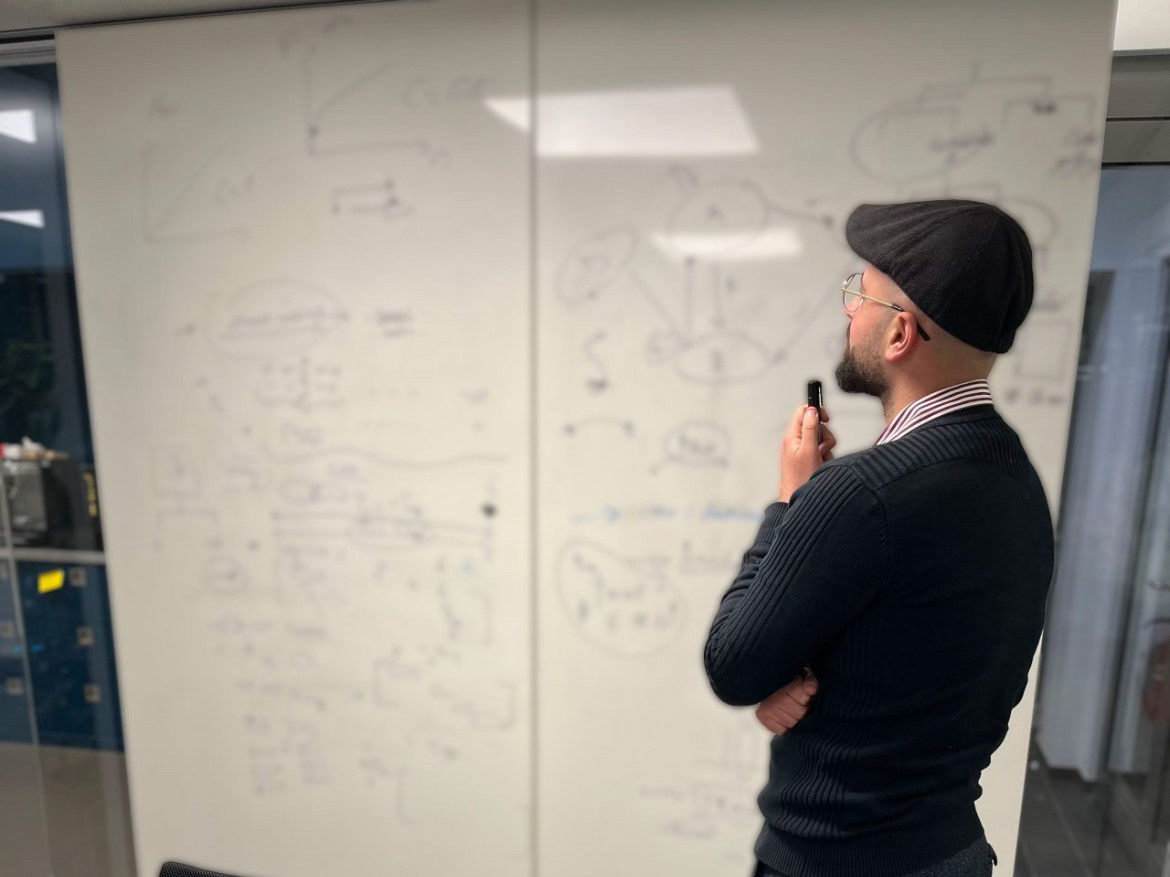
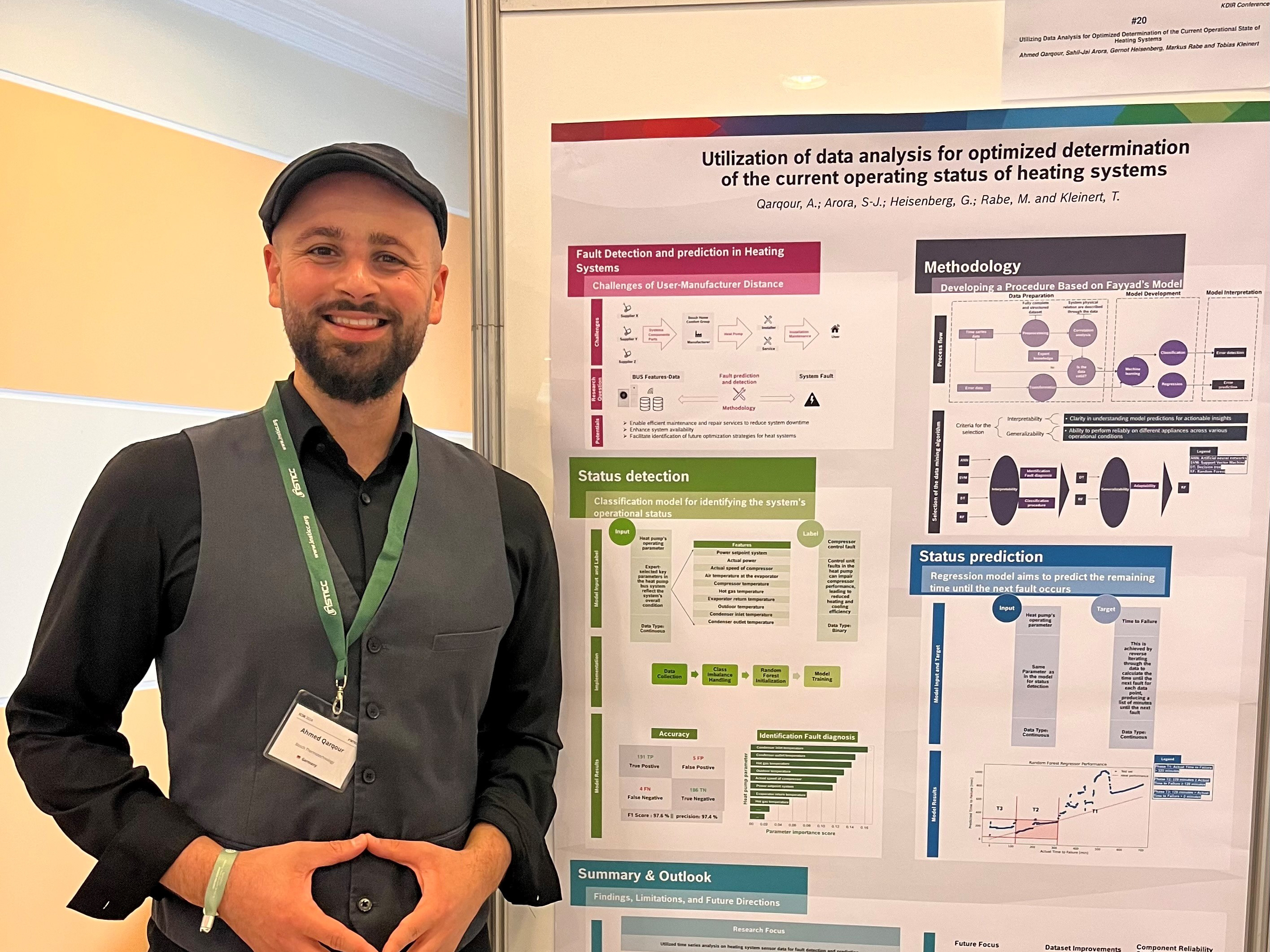
What works in the lab does not automatically work in reality.
Problem
Models developed in controlled environments often perform well in the lab. However, when applied to real systems, performance can drop due to changing conditions, noise, and unseen scenarios.
Approach
I analyzed the differences between lab data and field data, and adapted models and evaluation strategies to account for real-world variability.
Outcome
The work highlights key factors that affect model transfer and improves robustness when moving from lab-based development to real-world application.
What I did
• Compared model behavior on lab and field data
• Identified gaps in assumptions and data distributions
• Adapted models and evaluation methods for real conditions
• Identified gaps in assumptions and data distributions
• Adapted models and evaluation methods for real conditions
What was difficult
• Distribution shift between lab and field data
• Lack of ground truth in real-world systems
• Unexpected system behavior outside controlled scenarios
• Lack of ground truth in real-world systems
• Unexpected system behavior outside controlled scenarios
What I learned
• High accuracy in the lab does not guarantee field performance
• Robustness is more important than peak performance
• Understanding context is critical for model Transfer
• Robustness is more important than peak performance
• Understanding context is critical for model Transfer